The Art of Time’s Stillness
There is something countercultural about pausing. It sounds simple, but in a world that rewards speed and output, to pause is to risk being misunderstood. To pause is to stand in the quiet while everything else rushes forward. Yet this is where I have found the most clarity as a leader, and where Te Noho Tahi has its roots.
“Pausing is not an absence of action. It is the soil from which better action grows.”
Why pausing takes courage
I am often asked why I put so much emphasis on time to stop, reflect, and be present. The truth is that pausing does not come naturally to schools or systems shaped around bells, timetables, and measurable outputs. It takes courage because it can be seen as wasteful. People wonder if stopping means falling behind, or if reflection is indulgent when there is so much to do.
But I have seen the opposite. When we pause, we reset. We gain perspective. We see one another clearly. That short space of stillness gives us the capacity to return to the busyness with fresh energy and better judgement.
“Pausing takes courage in a system that constantly tells us to keep moving.”
The first time I protected reflection time
I remember clearly the first time I insisted on protecting reflection time for staff. There was pushback. It was early on when I was trying to reshape our culture. The pressure was to fill every gap with something measurable. But I made a call that this moment of stillness mattered.
It was not a grand gesture, just a quiet stand. I said, “This time is for us, and it will not be filled with agendas.” It was uncomfortable at first. People looked around, wondering what to do with themselves. But slowly, stories started to flow. A laugh here, a personal memory there. Over weeks, the space filled itself with connection.
That moment taught me something important. If leaders do not model and protect the pause, it will disappear. Culture always fills a vacuum, and if we do not hold space for presence, the space will be taken by productivity.
What pausing gives us
Pausing is not just about slowing down. It is about:
-
Reflection: looking back to see where we are and how we got here.
-
Resetting: taking a breath before the next demand arrives.
-
Perspective: lifting our eyes from the immediate to the horizon.
Each of these has shaped how we gather as staff. In our Te Noho Tahi time, there is no agenda and no output required. The gift is presence itself. That presence builds the trust and relationships that hold everything else together.
“The pause is not wasted time. It is invested time.”
The leader’s responsibility
The hardest part of embedding a practice like this is not convincing others, but holding the line yourself. Leaders are pulled toward action, toward busyness, toward the performance of productivity. The temptation is to fill the pause with words or with tasks.
But when a leader protects the pause, it gives permission for others to enter it. By sitting in the stillness, by listening rather than filling, you model what matters. In this way, culture is shaped not by speeches but by presence.
A living example
At our school, Te Noho Tahi is not a wellbeing initiative, a programme, or a tick-box. It is the cultural heartbeat. Each day we gather, not to plan or to solve, but simply to be. Some days it is laughter. Other days it is silence. Always, it is connection.
It is easy to underestimate what happens in those moments. I have seen staff notice when someone is quieter than usual, and quietly check in with them later. I have seen joy ripple through the room when someone shares a personal triumph. I have seen people relax into belonging. None of this is measurable, yet it is priceless.
“Culture is not built in the busy moments. It is built in the pauses between them.”
Why stillness matters now more than ever
Education has never been more pressured. Teachers and leaders juggle expectations from every direction. In that environment, stillness is not just nice to have, it is essential. Without it, people burn out. With it, they rediscover why they came into this profession in the first place.
The courage to pause is the courage to say people matter more than productivity. That is not to dismiss the importance of outcomes, but to recognise that outcomes are only sustainable when people are well.
What you might try
For anyone reading this, whether you are a leader, a teacher, or someone in another field entirely, here is a thought:
Set aside one space this week where you pause without filling it. Protect it, even if it is only ten minutes. See what grows in that silence. Notice how it feels. Notice what you hear from others.
You might be surprised by what emerges when you give stillness a chance.
“Stillness is not the absence of life. It is the presence of life, fully noticed.”
Closing reflection
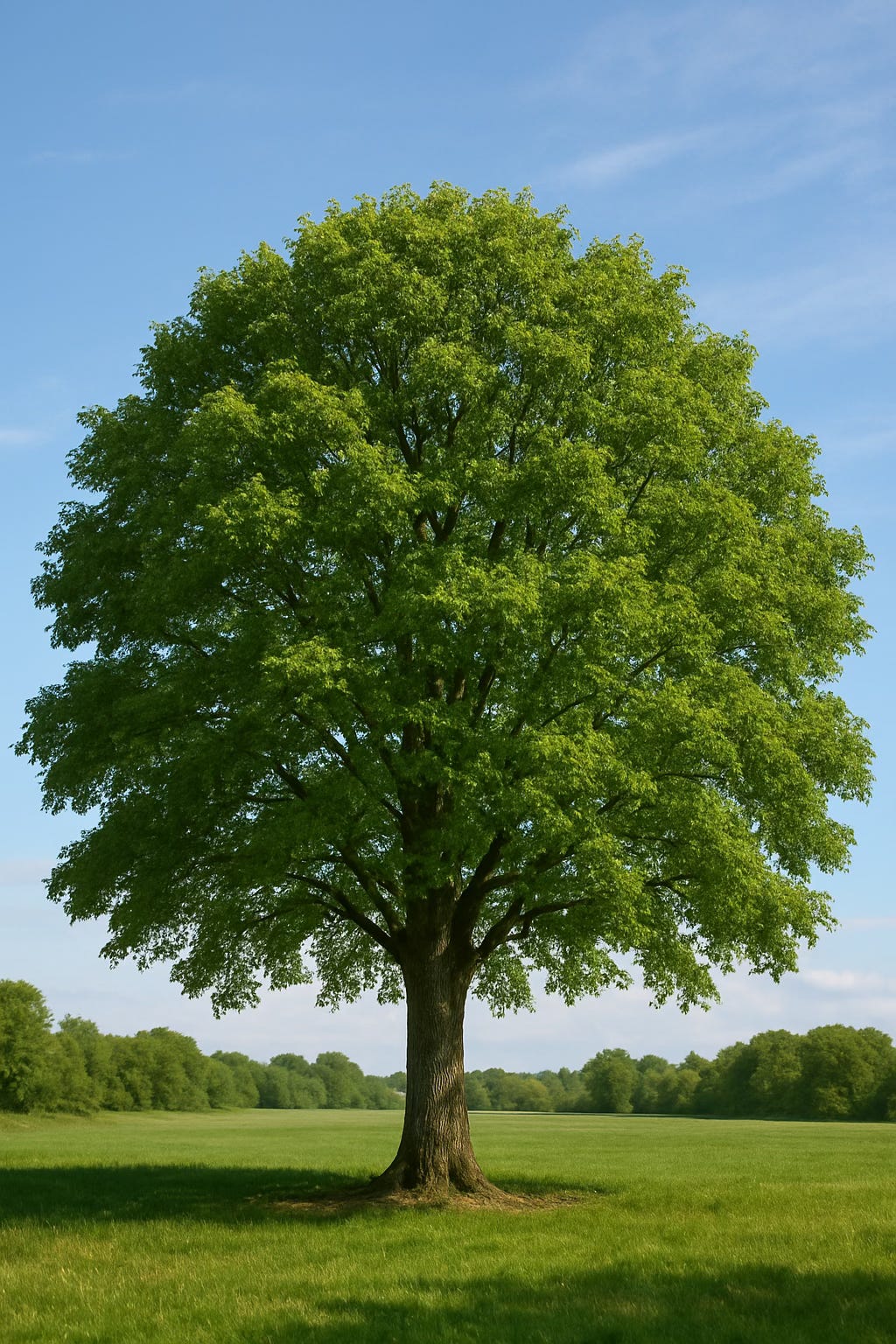
I sometimes think of pausing as standing beneath a tree. The world rushes past, but you stay for a moment in its shade. You notice the texture of the bark, the sound of the leaves, the stillness at the centre. Then you step back into the flow with something steadier inside you.
That is what the art of time’s stillness is all about. The courage to pause, to reflect, to lead with presence rather than productivity. It is a small act, but it changes everything.