The Art of Time’s Rhythm
There was a time when I thought busyness was the same as being productive. The longer the hours, the more crowded the diary, the greater the sense that I was achieving something. But somewhere along the way, I started to notice the cracks. The staff were sprinting through their days, I was running on fumes, and the collective energy was draining rather than sustaining.
It was then that I realised something important: busyness is not productivity.
“Busyness can become a mask for exhaustion rather than a marker of effectiveness.”
That realisation is what began our shift from hustle to harmony.
Intentional Boundaries
The first step was to put boundaries around what mattered most. I asked myself, what if we treated connection as seriously as curriculum? What if the time we spent with each other as colleagues and as people was held with the same protection as any meeting or duty?
So we introduced daily gatherings for staff. No agenda, no minutes, no work talk. Just space. Sometimes it was a laugh over a story. Sometimes it was a quiet moment of stillness. And sometimes it was nothing more than sitting together.
At first, people were sceptical. There is always that little internal voice saying, “I should be doing something.” But slowly, as those boundaries held, people began to breathe differently.
“Harmony begins when we create intentional boundaries that protect what really matters.”
The work still got done, but it was framed by a rhythm that felt more human.
The Shift in Culture
I remember a staff member who missed the first week of these gatherings due to family commitments. When they returned, they said it felt like stepping back into a rhythm they hadn’t realised they needed. Without it, the days had blurred into a sprint. With it, they had a compass again.
That moment crystallised what was happening. We were moving from a culture where value was measured by how much we did, to one where value came from how well we connected.
It echoed what we were also trying with tamariki. Through Te Noho Tahi, our students were invited into spaces of shared presence. No academic outcome, no assessment, no pressure. Just the practice of being together. Whether through a simple “rose, thorn, bud” reflection, a playful laughing game, or the quiet act of drawing a kindness leaf for the class tree, the purpose was always the same: connection over output.
“When we stop trying to measure every moment, we make space for presence.”
Work-Life Rhythms That Sustain
The biggest lesson for me has been that rhythms are stronger than routines. A routine is a set of tasks to tick off. A rhythm is a pattern that gives shape and meaning to the day.
For staff, our rhythm now includes protected gatherings, access to supervision when needed, and tools that reduce rather than add to workload . AI helps with drafting reports or lesson plans. Messenger systems reduce the stream of parent phone calls. Even the idea of robotic cleaning has been explored. Every tool is chosen for one purpose: to free time so people can focus on what really matters.
For tamariki, the rhythm is tiered. Daily class sessions for all, small group spaces for those who need more, and one-on-one time for children who are vulnerable or carrying extra weight . Each tier is framed not by tasks but by presence.
“A rhythm sustains us where a routine can drain us.”
Busyness is Not the Goal
This is not about slowing down to a crawl. Schools are busy places and always will be. There are bells and deadlines and non-negotiables. But the shift we are making is about refusing to equate busyness with worth.
One of the biggest breakthroughs came when we stopped trying to measure everything. Our daily gatherings are deliberately unmeasured. There are no logs, no data points, no outcomes. If someone laughs, that is enough. If someone sits silently, that too is enough.
This is a radical stance in education, where so much is tracked and assessed. But it has freed us. The absence of measurement has become a form of protection.
“By refusing to measure every interaction, we protect the sacredness of human connection.”
The Tree as a Metaphor
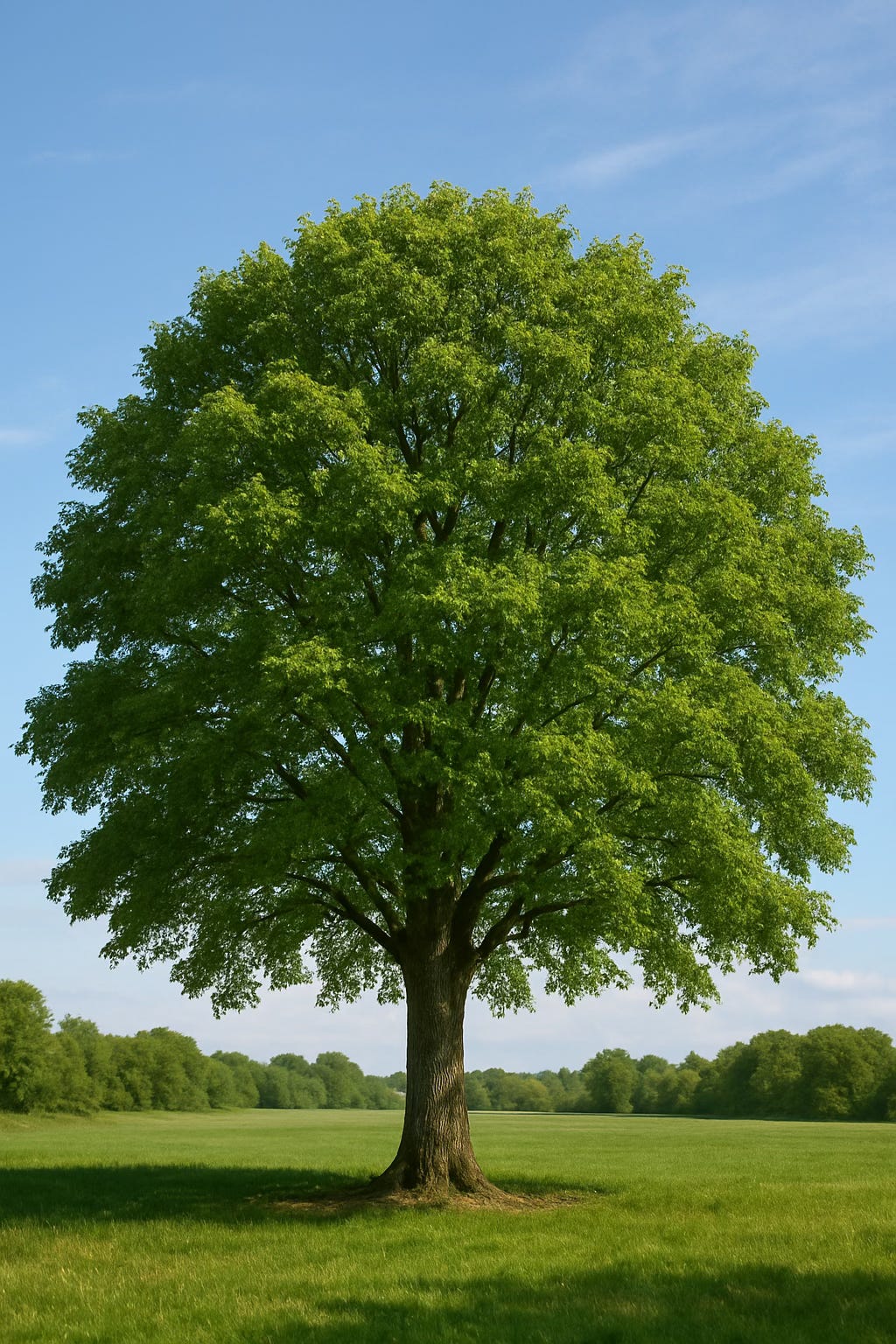
The visual we use is a tree. The roots are our principles of shared presence, manaakitanga, and whanaungatanga. The trunk is leadership, holding the structure and protecting the time. The branches are the practices: gatherings, supervision, AI integration, and listening spaces. And the leaves are the outcomes: kindness, calm, friendships, resilience .
This image is as true for staff as it is for tamariki. In classrooms, students add their own leaves to a class tree. In staff spaces, our conversations become the unseen fruit. Both are living reminders that growth comes from connection, not from busyness.
A Different Kind of Productivity
The irony is that by protecting time for presence, we have actually become more effective. Staff wellbeing has strengthened. Students feel safer. The culture is calmer. And the work is still getting done.
It turns out that productivity is not about doing more. It is about having the energy, focus, and trust to do the right things well.
“True productivity is found not in how much we do, but in the presence we bring to what we do.”
From Hustle to Harmony
This journey has not been about adding another programme or initiative. It has been about reclaiming time. About choosing rhythms over routines. About protecting what cannot be measured.
In the process, we have moved from hustle to harmony. The busyness has not disappeared, but it no longer defines us. Instead, it sits inside a wider rhythm that sustains rather than drains.
And that is the art of time’s rhythm.
An Invitation
If you find yourself caught in the hustle, always sprinting, always just trying to get it all done, here is my invitation: create one small boundary. Protect one small piece of time. Make it a rhythm rather than a routine.
It does not need to be long. It does not need to be clever. It just needs to be present.
Start there, and see what grows.
“Protect one piece of time. Make it a rhythm, not a routine. See what grows.”