The Art of Being Together - Part 2 : Where the Heart of a School Begins
There is a point in every conversation about education when someone says, we need to look after the students’ wellbeing.
And of course we do.
But somewhere along the way we forgot that you cannot pour from an empty cup.
That real wellbeing begins with the adults in the room.
When I first became principal at Tokoiti, I thought the biggest challenge would be budgets or curriculum.
It turned out to be energy.
Teachers were tired, not because they did not care, but because they cared too much and had nowhere to refill.
That was the missing piece.
The Missing Piece
The conversation around wellbeing had become something we did rather than something we lived.
There were posters, staff meetings, surveys, and training days.
All of them were well-meant, but they treated wellbeing like another project to manage.
What I could see was that the real issue was connection.
“We can do everything for our students, but if the teacher standing in front of them is running on empty, it all unravels.”
I started to think of wellbeing less as a checklist and more as a current that runs beneath everything else.
If that current dries up, nothing flows.
So the question became: how do we refill it?
How do we make sure teachers are supported to show up as their full, messy, magnificent selves?
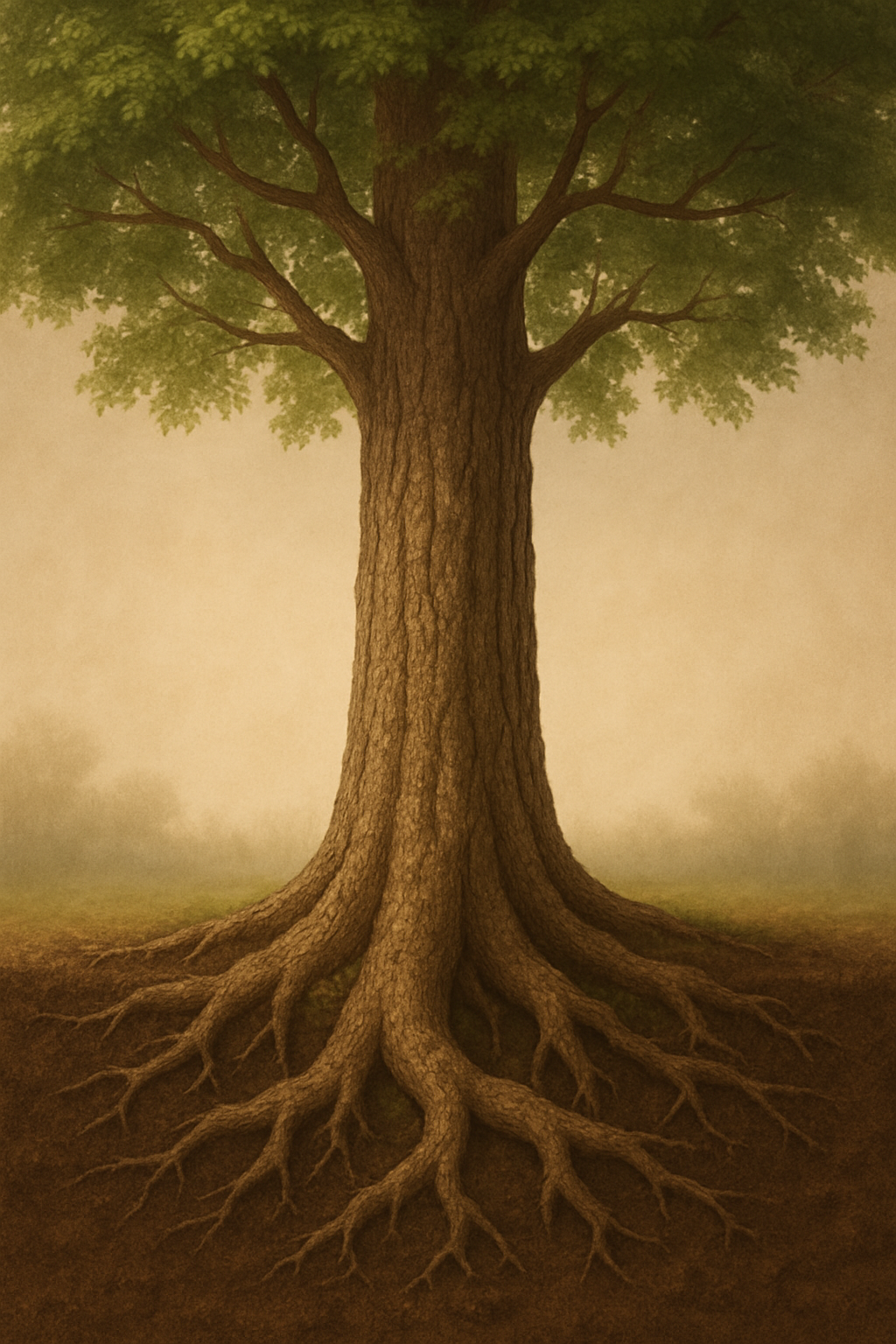
That is where the first roots of Te Noho Tahi began to push through the soil.
Presence Before Performance
The turning point came during my sabbatical.
I had been exploring ways to strengthen connection and stumbled across the Spaces for Listening model developed by Charlie Jones and Bridget Russell.
It is simple: one person speaks, another listens, and no one interrupts or fixes.
It felt like a mirror of what I had always tried to do in my own leadership.
To lead with presence rather than performance.
The simplicity of that practice struck me.
It did not require funding or a new initiative.
It required time.
And that was exactly what most schools no longer had.
When I came home to Tokoiti I kept thinking about how to make it real for us.
In a small rural school we could not afford external supervision or big wellbeing programmes.
We needed something home-grown and sustainable.
Something that said, we will do this ourselves, together.
So we began carving out a small, protected time each day.
No agenda, no minutes, no goals.
Just space to be people first and teachers second.
We called it Te Noho Tahi - to sit together.
“It is about presence, not performance. It is about being together, not ticking off tasks.”
At first, people were unsure.
Teachers are trained to fill time.
Silence feels like guilt.
But slowly the rhythm began to change.
Conversations became warmer, laughter easier, and those small signs of care — a coffee left on a desk, a message checking in — started to appear without anyone directing them.
Holding the Space
The idea spread naturally because it met a need that everyone could feel.
When we sit together at the end of the day, there is no plan.
Sometimes we talk about music or what our children did that morning.
Sometimes we just sit, the sound of rain on the roof, and that is enough.
It is the one time of day that is not about outcomes.
What happens in that space is deceptively simple.
You start to notice the people you work with.
Not their roles or responsibilities, but their moods, their energy, their stories.
You start to recognise when someone is quieter than usual or when their laugh sounds a little forced.
That noticing is the first step to real care.
And because we are small, everyone is included.
Our secretary, our teacher aides, our cleaner, everyone sits in the circle.
Titles disappear.
We are simply people who spend our days caring for children and for each other.
I have always been drawn to the Māori idea that leadership is not given by a title but earned through mana — the respect others grant you because of how you serve.
That philosophy lives in our school.
It reminds us that the person who opens the gate in the morning or cleans the classroom at night is as much a part of the heartbeat as anyone else.
When we began to hold that time sacred, the tone of the school shifted.
Students picked up on it.
They saw adults laughing, listening, sometimes even disagreeing kindly, and they began to model it themselves.
That is when I realised that Te Noho Tahi was no longer just a wellbeing strategy.
It had become culture.
What Changed
The change was quiet but visible.
Staff stopped racing from one task to another.
There was more ease in the spaces around the school.
Small problems were caught before they grew.
And the energy in classrooms lifted.
When teachers feel safe and supported, children feel it too.
One of the greatest gifts was the language it gave us.
When a teacher is struggling, we can now talk about capacity rather than competence.
We can ask, “what do you need?” instead of “what is wrong?”
That single shift in tone has changed everything.
It also allowed us to begin exploring the same idea with the students.
If adults benefit from thirty minutes of presence, why not children?
That question became the bridge to the next stage of the journey — the student version of Te Noho Tahi.
Looking Back
When I think back to the start of my presentation to the staff, I can hear the moment I said, presence before performance, and how quiet it went afterwards.
It still makes me smile.
Because it sounds obvious once you say it, but it takes real courage to live it.
To stop chasing outcomes long enough to notice the person in front of you.
To believe that the calm, connected teacher does more for learning than another new programme ever could.
That belief is now the foundation of everything we do at Tokoiti.
We have built systems around people rather than people around systems.
We have learnt that a school’s real strength lies not in its size or resources but in the quality of the presence we bring to one another.
Reflection
If you asked me today what the heart of a school is, I would not point to a building or a policy.
I would point to a circle of tired, smiling adults sitting together at the end of the day, drinking coffee or energy drinks and sharing stories.
That is where trust grows.
That is where culture lives.
And that is where every great classroom begins.
Next week: Part 3 - The Practice of Being Together.