The Art of Being Together - Part 1 : Small Places, Big Thinking
When the microphone came on for the podcast and Nikki asked how it all began, I hesitated.
It is hard to find the start of a story that has been growing quietly for decades.
It isn’t a single moment or a flash of inspiration.
It is a series of small rooms, small towns, and small conversations that somehow added up to something big.
Beginnings
I started teaching in a little town called Mataura in the deep south of Aotearoa New Zealand.
It was the kind of place where everyone knew whose car belonged at the dairy, where you learnt to teach with your sleeves rolled up.
There were no fancy programmes or consultants, just people and relationships.
It taught me that connection was not an optional extra; it was the whole thing.
I remember the feeling of walking into that first classroom.
The paint was old, the heaters rattled, but the children looked up with that spark that says, will you see me?
That question has followed me through every role since.
If you can answer it with honesty, the rest falls into place.
Even then I could see that the schools which thrived were not necessarily the ones with the best resources.
They were the ones that treated human connection as their curriculum.
That simple truth became my compass.
The Health-Camp Years
A few years later I found myself in Roxburgh, principal of a health-camp school, one of seven in New Zealand at the time.
Children would come for five weeks at a time for health or wellbeing reasons, which meant a new roll of students every month.
You never got to coast; you had to start again with each intake.
It was beautiful and hard in equal measure.
There were children who had already decided that school was not a place for them.
They arrived with anxiety, anger, exhaustion, or just that flatness that comes from not being believed in for too long.
And we had only five weeks to build trust, find joy, and then say goodbye.
“How do you connect with students who have given up on connection?”
That question became my daily meditation.
Every morning was a reset.
You would watch them nervously sit across from us as we welcomed them onto the site, a new face with that guarded look, and you would think, right, today it begins again.
We ran on presence more than plans.
Sometimes that meant sitting in silence beside a child who did not want to talk.
Other days it meant running around the field until they forgot to keep their distance.
Everything was about noticing the small shifts, a smile, a shared joke, a question that showed trust was forming.
But the hardest part was never seeing what happened next.
After five weeks they would go back to their home schools, and I would be left wondering if what we built lasted.
It taught me about impermanence, the need to plant seeds even when you might never see them bloom.
When the government eventually closed the health-camp schools, I stayed in Roxburgh and worked in student support for a while, thinking hard about what I had learned.
I knew I wanted to lead a school again, but differently.
I wanted a place where connection could grow over years, not weeks.
Finding Home at Tokoiti
Then one day the principal position at Tokoiti School came up.
I remember opening the application pack and seeing the logo, a small cartoon child with a pack on their back, our trekker.
That single image spoke to me more than any mission statement ever could.
Here was a school unafraid to show heart.
No corporate polish, just a hand-drawn figure heading out on a journey.
I knew instantly: this is it.
When I arrived in 2013, Tokoiti was the smallest of three schools in Milton, a tiny rural community.
Thirty students, two classrooms, one playground, and a community that could fix anything with a bit of No. 8 wire.
It was small, yes, but it had space for big ideas.
Being a teaching principal changes how you see everything.
You are in the classroom with the children, teaching fractions one moment and dealing with payroll the next.
There is no “them and us” between staff and leadership; you are all in it together.
That togetherness became the heartbeat of what came later.
“When you teach and lead in the same breath, you cannot fake connection. The children will tell you if you do.”
The early years were about learning the rhythms of the place.
Each family had its own story; each child carried a mix of pride and vulnerability.
I made it a point to visit homes, go to local events, be seen as part of the community rather than just the person in the office.
Slowly, trust built.
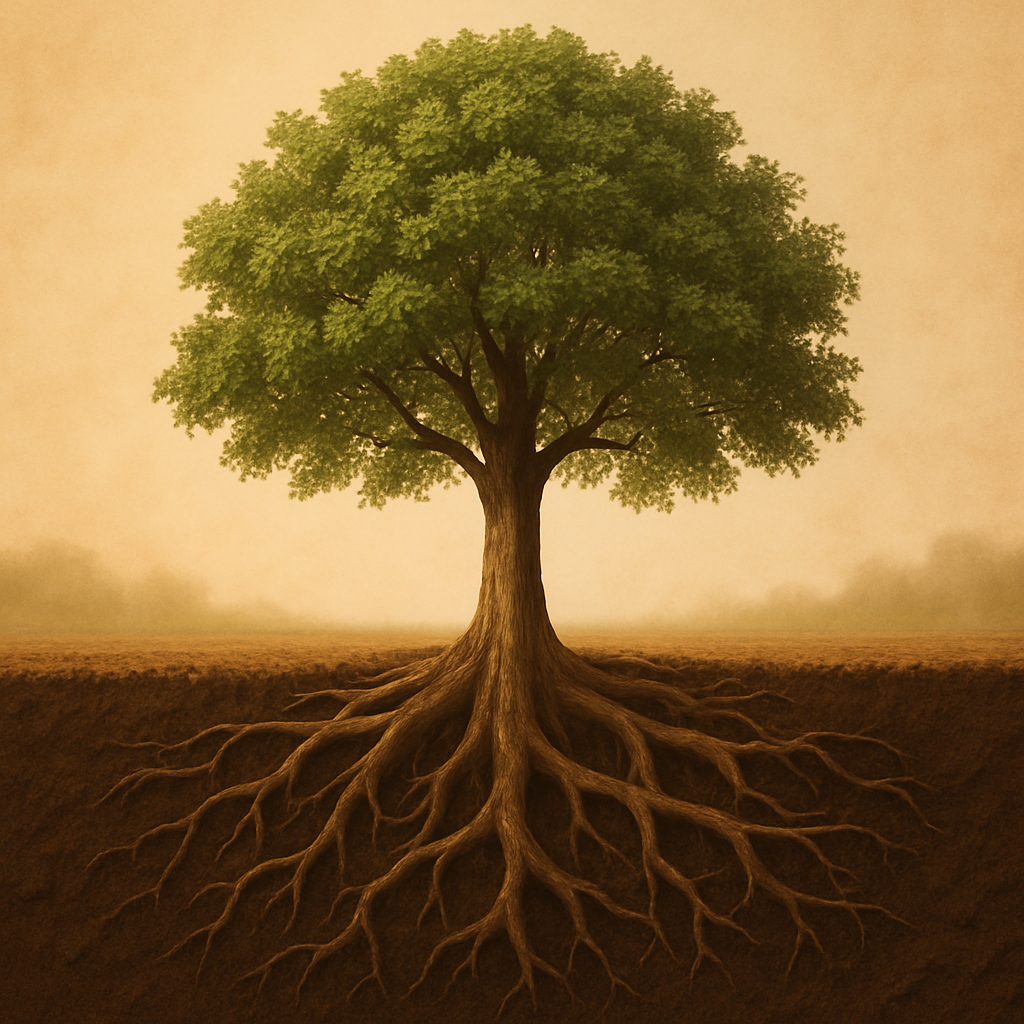
That trust became the soil from which Te Noho Tahi would eventually grow.
What Small Really Means
People sometimes imagine that small schools are easier.
The truth is the opposite.
When there are only a handful of staff, every absence is felt, every conflict echoes.
There is nowhere to hide, and that is what makes the work so human.
You see people, truly see them, and they see you back.
The gift of smallness is that it strips away pretence.
It forces you to lead as yourself.
If you turn up tired or anxious, the students will notice.
If you bring joy, they will notice that too.
Small schools do not let you forget that leadership is relational before it is strategic.
Looking back now, I realise that Te Noho Tahi did not appear out of nowhere.
It was growing quietly through all those years, in the laughter of the health-camp, in the long drives through Central Otago thinking about how to do it better, and in the first staffroom chats at Tokoiti where someone would say, “What if we just had a bit of time to breathe together?”
That sentence became the start of everything that followed.
Reflection
Big thinking does not need big buildings.
Sometimes it needs a tiny school on a back road, a teacher with mud on their boots, and a group of people willing to believe that presence matters more than polish.
If connection is the soil of learning, then small might just be the most fertile ground of all.
Next week: Part 2 - Where the Heart of a School Begins.